Okay, so check this out—DeFi used to feel like hopping between airports with no signage. Wow. You’d log into one wallet for Ethereum, another for Polygon, and when a Layer 2 popped up you were fumbling for an extra key. My instinct said: there has to be a better flow. Initially I thought “one wallet per chain” was just how things are. But then I started using multi-chain browser extensions regularly and that assumption fell apart fast; the UX differences alone were an eye-opener, and somethin’ about the speed of switching networks changed how I thought about on-chain work.
Seriously? Yes. The moment you stop juggling multiple wallet apps, things get simpler. Medium complexity moves become routine, and you stop making dumb mistakes like approving the wrong token on the wrong chain. On one hand, having everything in one place reduces friction. Though actually—there are trade-offs in surface area for attacks and the need for smarter transaction previews. Hmm… I’ll explain what to watch for, and where a solid extension wallet really adds value.
First, a quick note on what I mean by “multi-chain browser wallet”: it’s a browser extension that can manage accounts across multiple blockchains (Ethereum mainnet, EVM chains, common L2s, and often custom RPCs) while keeping your keys and session persistent so you don’t need five different apps. Sounds small. But the reflex to click, confirm, and move on? That saves time and mental energy, which in DeFi is currency too.
Why multi-chain matters for real DeFi users
Here’s the thing. Trading across chains, bridging assets, and using L2s used to require a multi-step ritual. You’d bridge, wait, then sign in to a different wallet, and often copy-paste addresses. Painful. With a multi-chain extension, that ritual is minimized because the wallet holds the account and can switch networks while keeping the same key. That single-account continuity reduces address mistakes and speeds up arbitrage, yield-farming moves, or simple swaps.
But don’t get me wrong—it’s not magic. You still need to pay attention to confirmations and gas settings, and some dApps behave differently depending on the provider. I’ll be honest, this part bugs me: too many users click through approvals without checking them. My tip: treat transaction previews like receipts. If somethin’ looks off, stop. Double-check. You’ll thank yourself later.
Security-wise, what you want from a wallet extension is clear transaction details, approval management, and good default RPCs with an easy way to add trusted networks. Actually, wait—let me rephrase that: good tools make it harder to make stupid mistakes and easier to detect suspicious behavior. On that front, some newer extensions add approval revocation tools and better transaction parsing so you see exactly what a contract call will do before you hit confirm. Those features are underrated.
What to look for in a browser extension DeFi wallet
Short list. Short and practical.
– Clear network switching without creating extra accounts.
– Transaction detail previews that parse calldata into readable intent.
– Token approval management and revoke options built-in.
– Support for adding custom RPCs and common L2s.
– A UX that keeps dApp connections obvious and easy to disconnect.
Really, those five things change day-to-day safety. On one hand, UX solves many accidental-loss issues. On the other hand, centralizing access increases the impact of a single compromise—so always combine a good extension with hardware wallets when possible.
Personal workflow: how I use a multi-chain extension
I’m biased, but I use a browser extension as my primary DeFi hub when I’m doing research and quick trades. For larger ops I route signatures through a hardware device. Sometimes I batch approvals, sometimes I revoke immediately after use—depends on the risk. Something felt off the first time I left token approvals open unintentionally. After that, I started revoking more aggressively. Little habits like that save pain.
Practical tip: set sensible gas defaults for each network and double-check the chain ID when adding custom RPCs. It sounds basic, but network spoofing used to catch even experienced users. Also—(oh, and by the way…) use the extension’s built-in activity log when available. It helps track which dApps interacted with your account and when.
Why I recommend trying Rabby Wallet
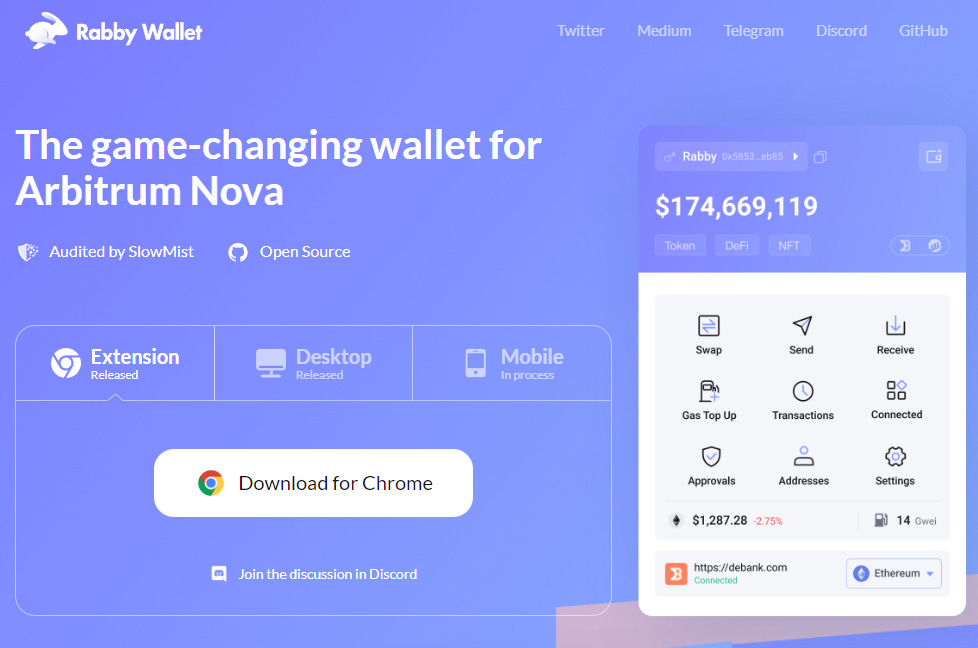
If you want to test a multi-chain workflow without juggling multiple apps, try rabby wallet. I found it to be practical and focused on transaction clarity, which is the single most important UX improvement for DeFi power users. My first impression was: it’s not flashy, but the details are thoughtful—transaction previews, network handling, and approval controls are front-and-center. That matters when you’re moving funds across protocols.
Now, I’m not saying it’s perfect for everyone. On one hand, shorter onboarding helps newcomers. Though actually, experienced users might want customizable settings and hardware integrations, and Rabby does a decent job of balancing both worlds. I’m not 100% sure about every feature parity across every L2, but for day-to-day DeFi—swaps, approvals, bridge interactions—it behaves reliably.
FAQ
Do multi-chain wallets increase my security risk?
Short answer: they centralize risk, so yes in one sense. But they can also reduce user errors and accidental losses by simplifying workflows and making transaction intent clearer. Use them with hardware wallets for high-value transactions and practice revoking approvals when possible.
Can I use the same wallet for every chain?
Mostly yes for EVM-compatible chains and many L2s. Non-EVM chains (like Solana) require different handling, so check whether the extension supports those ecosystems if you need them. For EVM work, a single extension account is usually fine.
What’s the biggest UX improvement to expect?
Fewer copy-paste mistakes and faster context switching. You also get better visibility into what contracts will actually do when you sign. Those improvements reduce friction and risk, especially when you’re interacting with multiple protocols in a single session.