The psychology behind risk-taking in casino gambling
The Allure of Uncertainty
The world of casino gambling is steeped in uncertainty, which inherently attracts individuals seeking thrill and excitement. The unpredictability of outcomes plays a significant role in the human psyche, as it taps into the natural inclination to seek out novel experiences. This attraction to uncertainty is not merely about winning money; it is also about the emotional highs and lows that come with each gamble. Many who seek the best australian online casino find that the anticipation of a potential win creates an adrenaline rush that many find irresistible.
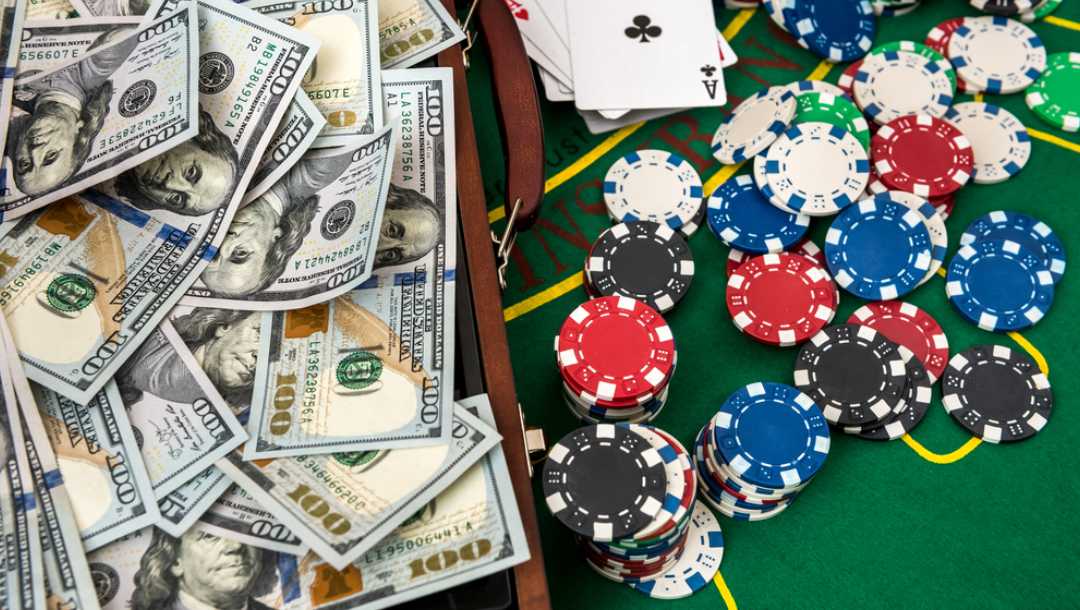
Moreover, this uncertainty fosters an environment ripe for risk-taking behavior. The potential rewards often outweigh the perceived risks, especially when players imagine the joy of winning. This phenomenon can be further explained by the concept of “near misses,” where players come close to winning without actually succeeding. These moments can lead to heightened emotions and a strong desire to continue gambling, reinforcing the cycle of risk-taking.
The Role of Cognitive Biases
Cognitive biases significantly influence decision-making in gambling scenarios. Gamblers often exhibit a tendency to overestimate their chances of winning, driven by optimism bias. This cognitive distortion can lead players to believe they possess a greater understanding of the game or that luck is on their side, encouraging them to take more significant risks than they might otherwise consider. Additionally, the illusion of control plays a key role, where players believe their skills or strategies can influence random outcomes.
Another prevalent bias is the gambler’s fallacy, where individuals think that past events affect future outcomes in a random game of chance. For instance, if a player has lost multiple times, they may feel that they are “due” for a win, prompting them to bet larger amounts. This flawed thinking can increase the propensity for risk-taking, resulting in larger losses over time.
Emotional and Social Influences
Emotions play a pivotal role in the decisions individuals make while gambling. Many gamblers seek to escape negative emotions or enhance positive ones through their gambling experiences. This emotional interplay creates a complex relationship between risk and reward, where players may find themselves taking risks to achieve an emotional payoff rather than a financial one. This can lead to impulsive behavior and poor decision-making, as the desire for immediate gratification often overshadows long-term consequences.
Furthermore, the social aspect of gambling cannot be ignored. Casinos are designed to create an exhilarating atmosphere that encourages interaction and competition among players. This social environment can heighten feelings of excitement and camaraderie, pushing individuals to take risks they might avoid in isolation. The presence of others can amplify the perceived rewards of gambling, making it easier for players to justify their decisions to take significant risks.
The Impact of Reward Systems
The reward systems in casino gambling are meticulously designed to encourage continued play. Frequent small wins can create a sense of achievement, reinforcing the desire to gamble. This system taps into the brain’s reward pathways, releasing dopamine and creating feelings of pleasure. The thrill of winning, even if it’s a small amount, can lead to repeated behaviors, as players chase that rush.
Moreover, casinos often use loyalty programs and bonuses to entice players further. These incentives create an illusion of value that can lead individuals to take greater risks, believing they are securing a better deal. However, the reality is that these programs may not significantly improve a player’s chances of winning, yet they fuel the cycle of risk-taking and gambling behavior.

Understanding Online Access and Safety
The online gambling landscape has transformed how individuals engage with risk-taking behavior. Many platforms now have robust security measures to ensure user safety and fair play. However, players may sometimes encounter access issues due to security protocols, leaving them feeling frustrated. Understanding these barriers is crucial for responsible gambling, as users must be aware of how to navigate potential restrictions.
Furthermore, resources are available to assist those facing access challenges. Players should feel empowered to reach out for help if they encounter issues, ensuring their experience is both enjoyable and secure. It’s essential to prioritize safety and responsible gambling practices, allowing individuals to engage in risk-taking behaviors while minimizing negative consequences.