

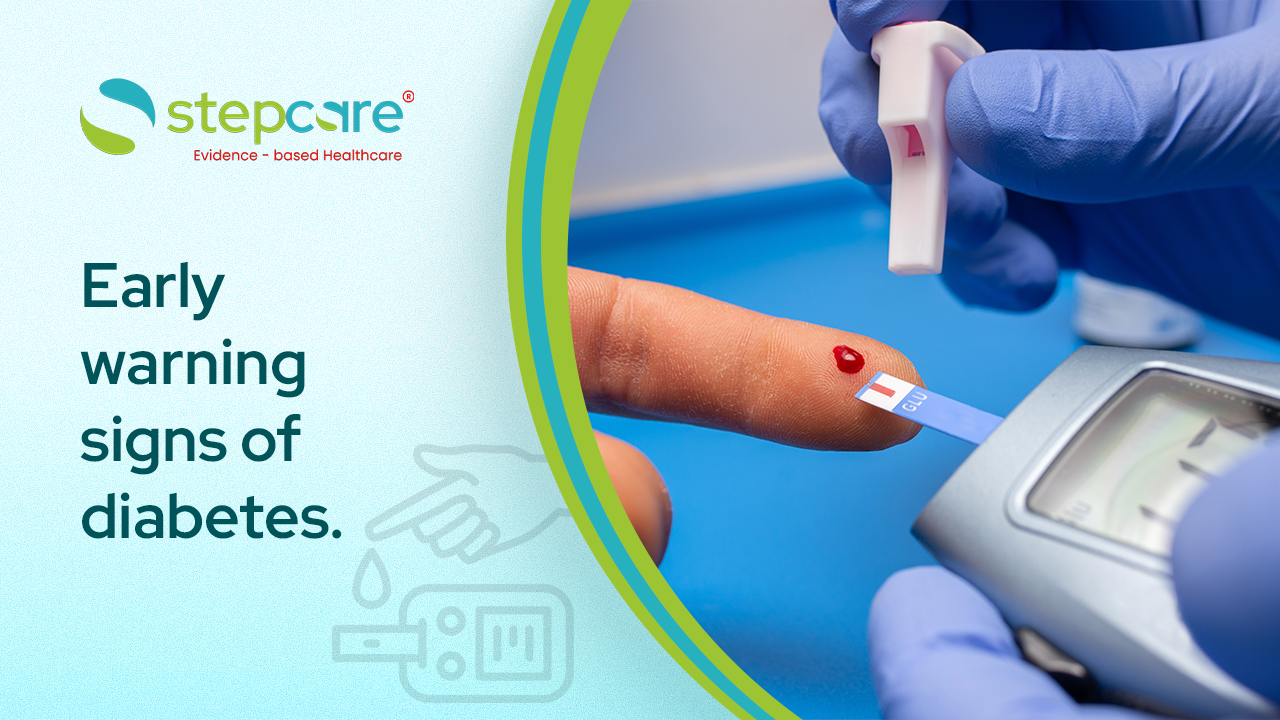
Early Symptoms of Diabetes You Should Not Ignore: 10 Warning Signs

Dr Akram Khan
Consultant General Practitioner
Diabetes rarely appears suddenly. In most cases, your body gives early symptoms of diabetes you should not ignore weeks or even months before diagnosis.
The most common early signs of diabetes include:
- Frequent urination
- Increased thirst
- Persistent fatigue
- Unexplained weight loss
- Increased hunger
- Blurred vision
- Slow healing wounds
- Frequent infections
- Tingling in hands or feet
- Dry or itchy skin
Recognizing these warning signs of diabetes early can help prevent complications affecting the heart, kidneys, eyes, and nerves.
If you notice two or more of these symptoms, it may be time to consider diabetes screening.
Why Recognizing Early Symptoms of Diabetes Matters
Diabetes is often called a silent condition. Many people live with high blood sugar levels for years without knowing it.
Ignoring early symptoms of diabetes you should not ignore may lead to:
- Heart disease
- Kidney damage
- Nerve damage
- Vision problems
- Poor wound healing
Early diagnosis allows better management and prevents long term complications.
1. Frequent Urination
Frequent urination is one of the most common early symptoms of diabetes you should not ignore.
When blood sugar levels increase, the kidneys try to remove excess glucose through urine. This results in more frequent urination.
Signs to Watch
- Waking up at night to urinate
- Increased daytime urination
- Sudden change in urination pattern
If you notice these early signs of diabetes, consider testing.
2. Increased Thirst
Increased thirst often accompanies frequent urination. When the body loses fluids, dehydration occurs, causing excessive thirst.
This is one of the earliest warning signs of diabetes.
Signs to Watch
- Feeling thirsty frequently
- Dry mouth
- Drinking more fluids than usual
Increased thirst is one of the key early symptoms of diabetes you should not ignore.
3. Unexplained Weight Loss
Weight loss without changes in diet or exercise may indicate diabetes.
When the body cannot use glucose effectively, it starts breaking down fat and muscle for energy.
Signs to Watch
- Sudden weight loss
- Weakness
- Fatigue
Unexplained weight loss is one of the major early signs of diabetes.
4. Persistent Fatigue
Fatigue is one of the most common early symptoms of diabetes you should not ignore.
When glucose is not properly used, the body lacks energy.
Signs to Watch
- Feeling tired despite rest
- Difficulty concentrating
- Low energy levels
Persistent fatigue is a common warning sign of diabetes.
5. Increased Hunger
Increased hunger, also called polyphagia, is one of the early signs of diabetes.
Even after eating, the body may not use glucose effectively.
Signs to Watch
- Frequent hunger
- Increased appetite
- Cravings
This is one of the early symptoms of diabetes you should not ignore.
6. Blurred Vision
High blood sugar affects fluid levels in the eyes, leading to blurred vision.
Blurred vision is one of the warning signs of diabetes.
Signs to Watch
- Blurry vision
- Difficulty focusing
- Eye strain
Vision changes should not be ignored.
7. Slow Healing Wounds
Slow healing wounds may indicate diabetes.
High blood sugar affects circulation and immune function.
Signs to Watch
- Cuts healing slowly
- Frequent skin infections
- Bruises taking longer to heal
Slow healing wounds are early symptoms of diabetes you should not ignore.
8. Frequent Infections
High blood sugar weakens the immune system.
Common Infections
- Skin infections
- Urinary infections
- Gum infections
Frequent infections are early signs of diabetes.
9. Tingling or Numbness
High blood sugar affects nerves.
Symptoms
- Tingling in hands
- Tingling in feet
- Burning sensation
These are warning signs of diabetes.
10. Dry or Itchy Skin
Dry skin may occur due to dehydration and poor circulation.
Signs
- Dry skin
- Itching
- Skin irritation
Dry skin is one of the early symptoms of diabetes you should not ignore.
Who Is at Higher Risk of Diabetes
You may be at higher risk if you:
- Have family history of diabetes
- Are overweight
- Have sedentary lifestyle
- Have high blood pressure
- Have poor diet
Recognizing early signs of diabetes is especially important for high risk individuals.
When Should You Get Tested
You should consider testing if:
- Symptoms persist
- Multiple symptoms appear
- Age above 30
- Family history exists
Recommended Screening Frequency
| Risk Group | Screening Frequency |
| Adults under 30 | Based on risk |
| Age 30 to 40 | Every 1 to 2 years |
| Above 40 | Annual screening |
Real World Clinical Insight
Many patients initially report fatigue and increased thirst. Blood tests often reveal elevated glucose levels.
Early diagnosis allows lifestyle changes and prevents complications.
Recognizing early symptoms of diabetes you should not ignore can significantly improve outcomes.
Quick Summary Table
| Symptom | Why It Happens | Action |
| Frequent urination | High blood sugar | Test |
| Increased thirst | Dehydration | Screening |
| Fatigue | Poor glucose use | Check |
| Blurred vision | Fluid imbalance | Consult |
| Slow healing | Poor circulation | Medical advice |
When to See a Doctor Immediately
Seek medical advice if you experience:
- Frequent urination
- Persistent thirst
- Unexplained weight loss
- Fatigue
These are early symptoms of diabetes you should not ignore.
Take the Next Step
Recognizing early signs of diabetes helps detect the condition early and prevent complications.
If you notice symptoms, consider scheduling a diabetes screening.
Early diagnosis leads to better management and improved health outcomes. Schedule a preventive health checkup today and take control of your health. Contact us at 960-691-0113.
Need care guidance?
Book a consultation with Stepcare and get professional support for your health concern.
Book Appointment