
Newborn Skin Care in Bangalore's Climate: Cradle Cap, Heat Rash, and When to Worry
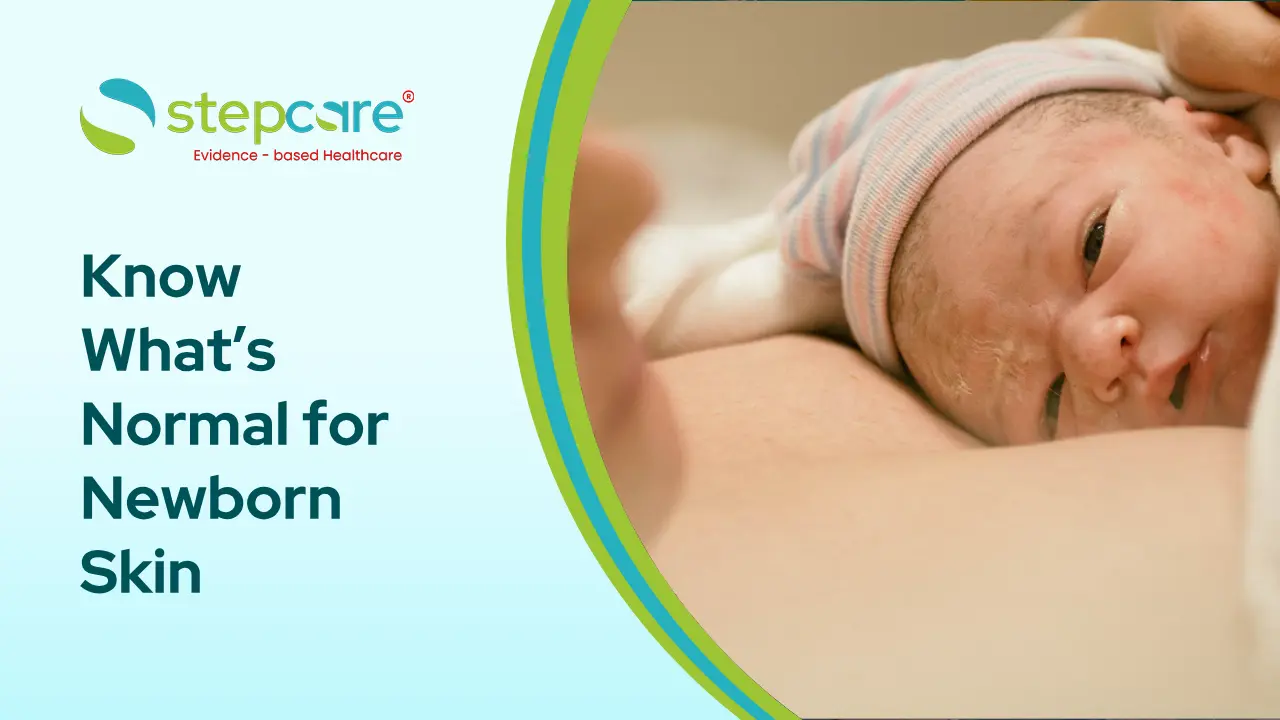
Newborn skin looks alarming with impressive regularity. Peeling in the first week, sudden red bumps on the face at three weeks, yellow crusts on the scalp at two months, a rash across the chest on a warm afternoon. Most of it is entirely normal and resolves without treatment.
Here is the short answer: the majority of newborn skin conditions in the first three months are benign and self-limiting. The ones that need medical attention are those with fever, blistering, pus, rapid spread, or a baby who seems unwell.
Normal Newborn Skin Findings That Need No Treatment
|
|
|
|
|
|
|
|
|
|
|
|
|
|
|
|
|
|
|
|
|
|
|
|
|
|
|
|
|
|
|
|
Cradle Cap: What It Is and How to Manage It
Cradle cap, clinically called infantile seborrhoeic dermatitis, presents as yellowish, greasy, scaly patches on the scalp, sometimes extending to the eyebrows, behind the ears, or into skin folds.
It is not caused by poor hygiene, and it is not an allergy. It is related to maternal hormones still circulating in the baby and the activity of a normal skin yeast called Malassezia. It does not usually itch or bother the baby.
Management: apply a small amount of coconut oil, mineral oil, or a paediatrician-recommended emollient to the scalp, leave for 15 to 20 minutes to soften the scales, then gently brush with a soft baby brush and wash with a mild baby shampoo. Do not pick at the scales, as this can cause bleeding and infection.
Most cases resolve by 8 to 12 months. If it is extensive, inflamed, spreading to the body, or if the skin looks infected, see a paediatrician. Medicated shampoos or topical antifungals are occasionally needed.
Heat Rash in Bangalore's Climate
Heat rash, or miliaria, occurs when sweat ducts become blocked and sweat is trapped under the skin. It is very common in Bangalore's warmer months and in babies who are overdressed, which happens frequently because of the traditional practice of bundling infants.
Presentation: clusters of small clear blisters (miliaria crystallina) or small red itchy bumps (miliaria rubra), typically on the neck, chest, back, armpits, and skin folds.
Management: cool the baby down, remove excess layers, dress in loose cotton clothing, keep the room well ventilated or air-conditioned at a comfortable temperature, bathe in lukewarm water and pat dry thoroughly especially in folds, and avoid thick creams and oils on affected areas as these block ducts further.
Heat rash usually settles within days once the baby is cooler. Prevention is simply not overdressing the baby. A useful rule is to dress the baby in one layer more than you find comfortable, not three.
Nappy Rash
Nappy rash is irritant contact dermatitis from prolonged contact with urine and stool, worsened by friction and humidity.
Management: change nappies frequently, clean gently with water or fragrance-free wipes, allow nappy-free time daily for the skin to air, and apply a thick zinc oxide barrier cream at each change.
When it needs review: if the rash is bright red with satellite spots extending beyond the main area, candidal (yeast) infection is likely and needs an antifungal cream. If there are blisters, pus, or the baby has a fever, see a paediatrician.
Dry Skin and Eczema
Bangalore's air-conditioned indoor environments combined with frequent bathing can leave newborn skin dry.
For general dryness: bathe in lukewarm water for no more than 5 to 10 minutes, use a mild fragrance-free cleanser, pat dry rather than rubbing, and apply a fragrance-free emollient within 3 minutes of bathing while the skin is still damp.
Infantile eczema (atopic dermatitis) presents differently: dry, red, intensely itchy patches, typically on the cheeks, outer arms and legs, and later in the elbow and knee creases. The baby may be irritable and scratch or rub. It often has a family history of eczema, asthma, or allergic rhinitis.
Eczema needs paediatric or dermatology assessment. Management involves consistent emollient use, identifying triggers, and topical treatment during flares.
When to See a Doctor About Newborn Skin
Seek medical attention promptly if:
- The baby has a fever alongside any rash, particularly under 3 months of age, which is always a medical emergency
- There are blisters, pus, or yellow crusting suggesting infection
- The rash is spreading rapidly
- The skin looks raw, weeping, or bleeding
- There are purple or red pinpoint spots that do not fade when pressed with a glass
- The baby is feeding poorly, unusually sleepy, or seems unwell
- Any rash present at birth that you have not had assessed
- Jaundice appearing in the first 24 hours or worsening after the first week
Book a Paediatric Consultation at Stepcare Whitefield
Stepcare's paediatric team provides newborn assessment, skin condition management, and developmental monitoring.
Call or WhatsApp: +91 9606910113 Email: appointments@stepcare.co.in Address: G-01, Ground Floor, Brigade IRV Center, Nallurhalli, Whitefield, Bengaluru 560066 Hours: Monday to Saturday, 8 AM to 8 PM | Sunday, 10 AM to 6 PM
Disclaimer: This content is for informational purposes only and should not be considered medical advice. Please consult a qualified healthcare professional before making any medical decisions.
Need care guidance?
Book a consultation with Stepcare and get professional support for your health concern.
Book Appointment