Stepcare’s mission is to help you achieve optimal health and well-being, not just for your benefit but for ours too - because we believe that a healthy you is a win-win situation for both you and Stepcare
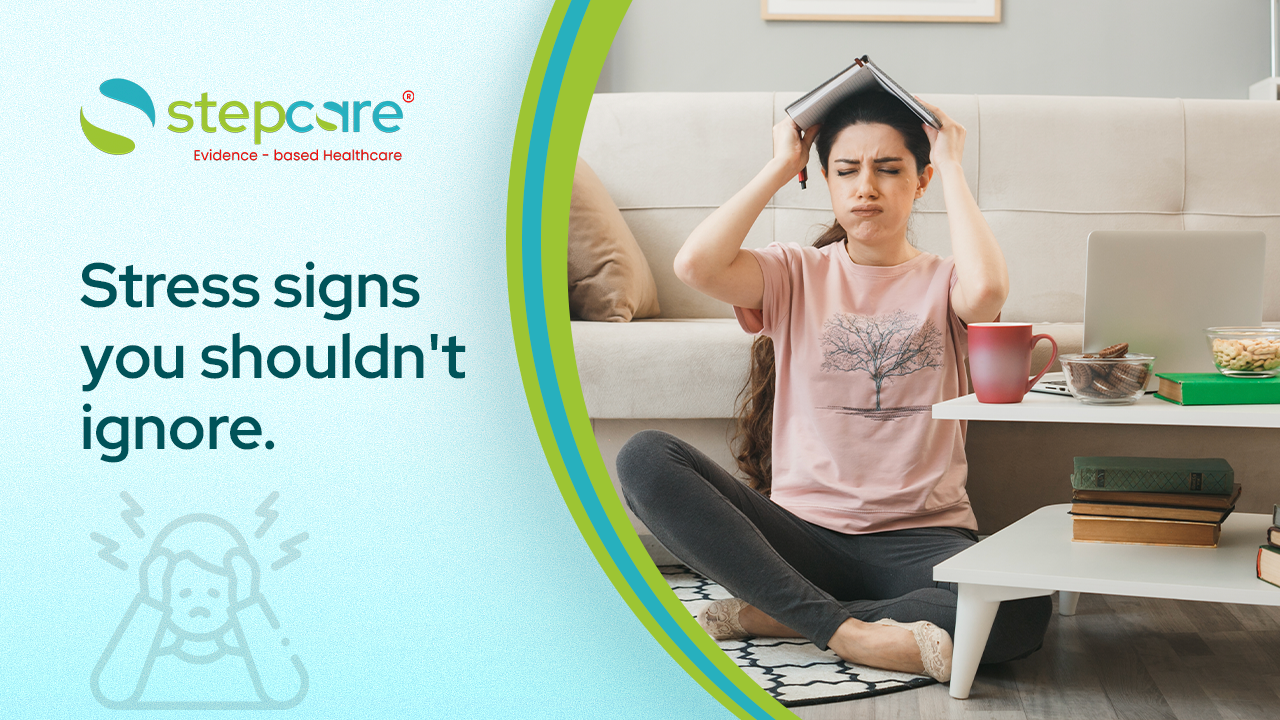
Stress and anxiety have become increasingly common in modern life. While occasional stress is normal, persistent symptoms of stress and anxiety can affect both your physical and mental health. Many people ignore early warning signs, assuming they are temporary. However, untreated stress can lead to serious health problems.
Recognizing the signs of stress and anxiety you should not ignore helps you take early action and prevent long-term complications.
If you are wondering what stress and anxiety do to your body, here is the quick answer:
They affect sleep
They impact heart health
They weaken immunity
They affect digestion
They impact mental well-being
Understanding physical symptoms of stress and emotional symptoms of anxiety can help you manage them early.
Why You Should Not Ignore Stress and Anxiety
Stress affects both mind and body. Long-term stress may lead to:
High blood pressure
Heart disease
Digestive problems
Sleep disorders
Mental health conditions
Ignoring symptoms of stress and anxiety may worsen health outcomes.
Physical Symptoms of Stress and Anxiety
Stress often shows up as physical symptoms. Many people experience body-related symptoms without realizing stress is the cause.
1. Persistent Headaches
Headaches are one of the most common physical symptoms of stress.
Stress causes muscle tension, leading to tension headaches.
Signs to Watch
Frequent headaches
Pressure around head
Neck stiffness
2. Fatigue and Low Energy
Chronic stress drains energy levels.
Symptoms
Feeling tired
Lack of motivation
Low productivity
Fatigue is one of the key symptoms of stress and anxiety.
3. Sleep Problems
Sleep disturbances are common stress effects on the body.
Symptoms
Difficulty sleeping
Frequent waking
Poor sleep quality
Poor sleep worsens stress.
4. Muscle Tension
Stress causes muscle tightness.
Symptoms
Neck pain
Shoulder tension
Back pain
Muscle tension is a physical symptom of stress.
5. Digestive Issues
Stress affects digestion.
Symptoms
Bloating
Stomach pain
Nausea
Digestive problems are common stress-related health problems.
Emotional Symptoms of Stress and Anxiety
Stress also affects emotions.
6. Irritability
Feeling easily irritated is a sign of stress and anxiety.
7. Anxiety and Worry
Constant worry is a common symptom.
8. Difficulty Concentrating
Stress affects focus.
9. Mood Swings
Mood changes are common.
10. Feeling Overwhelmed
Feeling overwhelmed is a key emotional symptom of stress.
Behavioral Symptoms of Stress
Stress also changes behavior.
Behavioral Symptoms
Overeating
Lack of motivation
Social withdrawal
These are behavioral symptoms of stress.
Health Problems Caused by Stress and Anxiety
Chronic stress may lead to:
High blood pressure
Heart disease
Depression
Who Is Most at Risk
High risk individuals include:
Working professionals
Students
When to Seek Help
Seek help if symptoms persist.
Quick Summary
Symptom
Type
Headache
Physical
Irritability
Emotional
How to Manage Stress
Exercise
Sleep well
Take the Next Step
Recognize symptoms of stress and anxiety early. Contact us at 960-691-0113 to book a preventive healthcare checkup.