
How Work Stress Is Affecting Your Physical Health
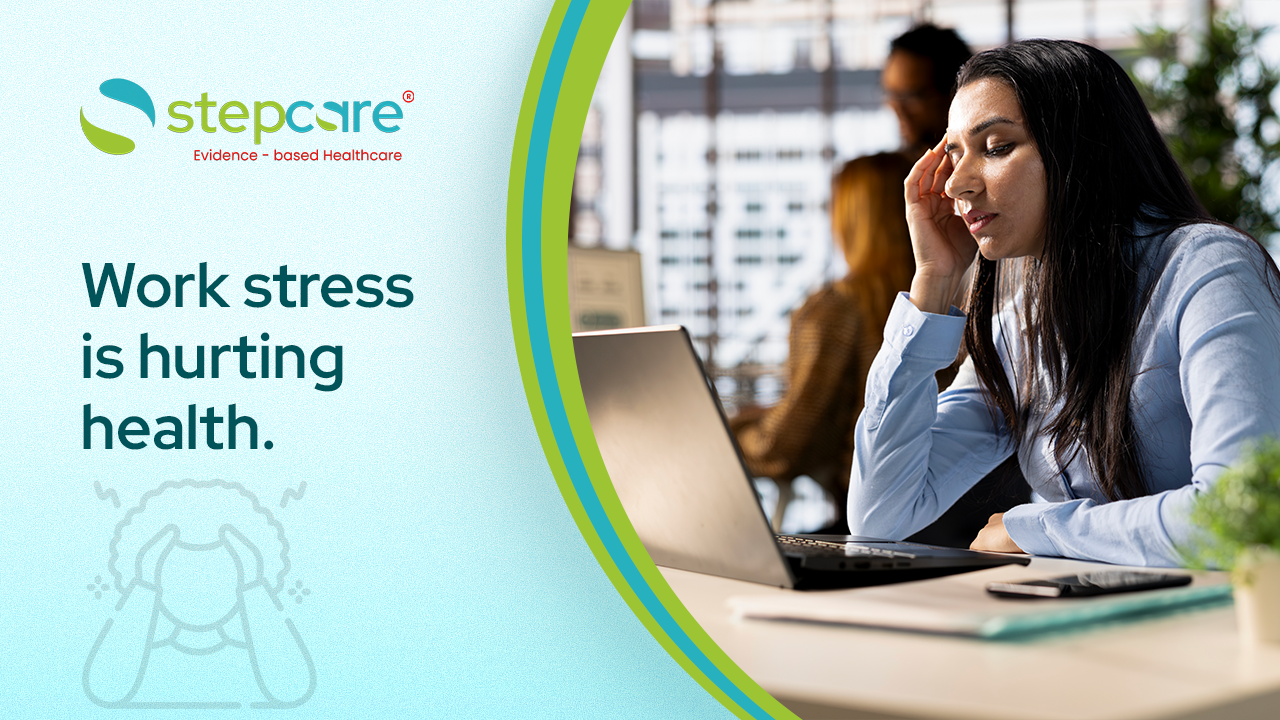
Work stress is often seen as a mental health issue. But the truth is, the effects of work stress on health go far beyond your mind. Chronic workplace stress can affect your heart, digestion, immune system, sleep, and overall physical health.
If you are experiencing frequent headaches, fatigue, poor sleep, or digestive issues, your body may already be showing workplace stress symptoms.
Quick Answer: How Work Stress Affects Your Physical Health
The effects of work stress on health include:
- Increased blood pressure
- Frequent headaches
- Sleep problems
- Digestive issues
- Fatigue and low energy
- Muscle tension and body pain
- Weakened immunity
- Heart health risks
- Weight gain or weight loss
Understanding work stress impact on body helps you identify early warning signs and take action before stress leads to serious health problems.
Why Work Stress Is Becoming a Major Health Risk
Modern workplaces have changed significantly. Many professionals now experience:
- Long working hours
- Tight deadlines
- High expectations
- Poor work life balance
- Sedentary lifestyle
These factors contribute to work stress health problems. Over time, chronic stress can lead to serious physical conditions.
According to workplace health research, chronic stress increases the risk of cardiovascular disease, digestive disorders, and weakened immune function.
1. Frequent Headaches and Migraines
Headaches are one of the most common workplace stress symptoms.
When stress increases, muscles in the neck and shoulders tighten. This leads to tension headaches.
Common Signs
- Pressure around head
- Neck stiffness
- Migraine episodes
Frequent headaches are early effects of work stress on health.
2. Chronic Fatigue and Low Energy
Work stress drains physical energy. Chronic stress keeps your body in a constant alert state.
Symptoms
- Constant tiredness
- Low motivation
- Reduced productivity
Fatigue is one of the most common work stress impact on body symptoms.
3. Sleep Problems and Insomnia
Work stress often affects sleep patterns.
Symptoms
- Difficulty falling asleep
- Frequent waking
- Poor sleep quality
Poor sleep increases stress and worsens physical health.
4. Muscle Tension and Body Pain
Stress causes muscle tightening. This leads to physical pain.
Common Areas
- Neck pain
- Shoulder stiffness
- Back pain
Muscle tension is one of the most common work stress health problems.
5. Digestive Issues
Stress affects the digestive system.
Symptoms
- Stomach pain
- Bloating
- Acid reflux
Digestive problems are common effects of work stress on health.
6. High Blood Pressure
Work stress increases blood pressure.
Chronic stress keeps your body in fight or flight mode. This increases heart rate and blood pressure.
High blood pressure increases risk of:
- Heart disease
- Stroke
7. Increased Risk of Heart Disease
Chronic stress increases heart disease risk.
Stress causes:
- Increased heart rate
- Higher blood pressure
- Inflammation
These factors increase cardiovascular risk.
8. Weakened Immune System
Stress weakens immunity.
Effects
- Frequent infections
- Slow healing
This is a major work stress impact on body.
9. Weight Gain or Weight Loss
Stress affects appetite.
Effects
- Emotional eating
- Reduced appetite
Weight changes are common effects of work stress on health.
10. Chronic Health Conditions
Long term stress may lead to:
- Diabetes
- Heart disease
- Hypertension
Chronic stress increases risk of serious diseases.
Emotional Symptoms That Affect Physical Health
Work stress also affects emotional health.
Emotional Symptoms
- Anxiety
- Irritability
- Mood swings
These emotional symptoms affect physical health.
Behavioral Symptoms of Work Stress
Stress changes behavior.
Behavioral Symptoms
- Poor eating habits
- Lack of exercise
- Increased screen time
These behaviors worsen physical health.
Who Is Most at Risk
High risk individuals include:
- Office workers
- Healthcare professionals
- IT professionals
- Managers
Sedentary work increases stress risk.
Real World Insight
Many professionals ignore early stress symptoms. Over time, stress leads to fatigue, headaches, and chronic health conditions.
Recognizing workplace stress symptoms early helps prevent complications.
How to Reduce Work Stress
Simple strategies:
- Take regular breaks
- Exercise daily
- Maintain sleep schedule
- Practice relaxation
Quick Summary
| Symptom | Effect |
| Headaches | Muscle tension |
| Fatigue | Low energy |
| Sleep problems | Poor recovery |
When to Seek Medical Help
Seek help if:
- Symptoms persist
- Stress affects daily life
- Physical symptoms worsen
Take the Next Step
Recognizing effects of work stress on health helps prevent serious health problems. Consult healthcare experts to manage stress and improve your overall health. Contact us at 960-691-0113.
Need care guidance?
Book a consultation with Stepcare and get professional support for your health concern.
Book Appointment